The Hidden Symphony Beneath Tenerife
During the dead hours of August 6 and 7, 2025, I watched our seismic monitors flicker like frantic fireflies. Beneath Tenerife’s sleeping landscape, 750 earthquakes rattled the depths of the Teide–Pico Viejo volcanic complex—a phenomenon that unfolded in just 11-hour. As a scientist who’s stood on Pico Viejo’s rim during the 2016 unrest, this extraordinary swarm felt like the volcano’s heart breathes deeply.
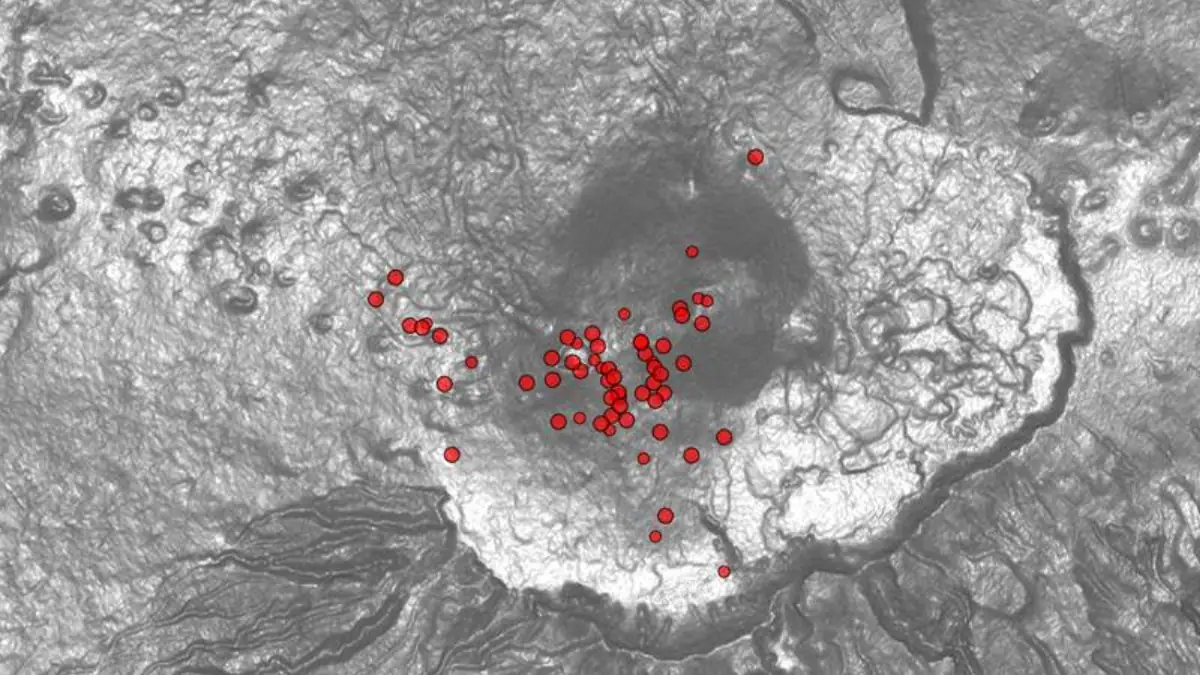
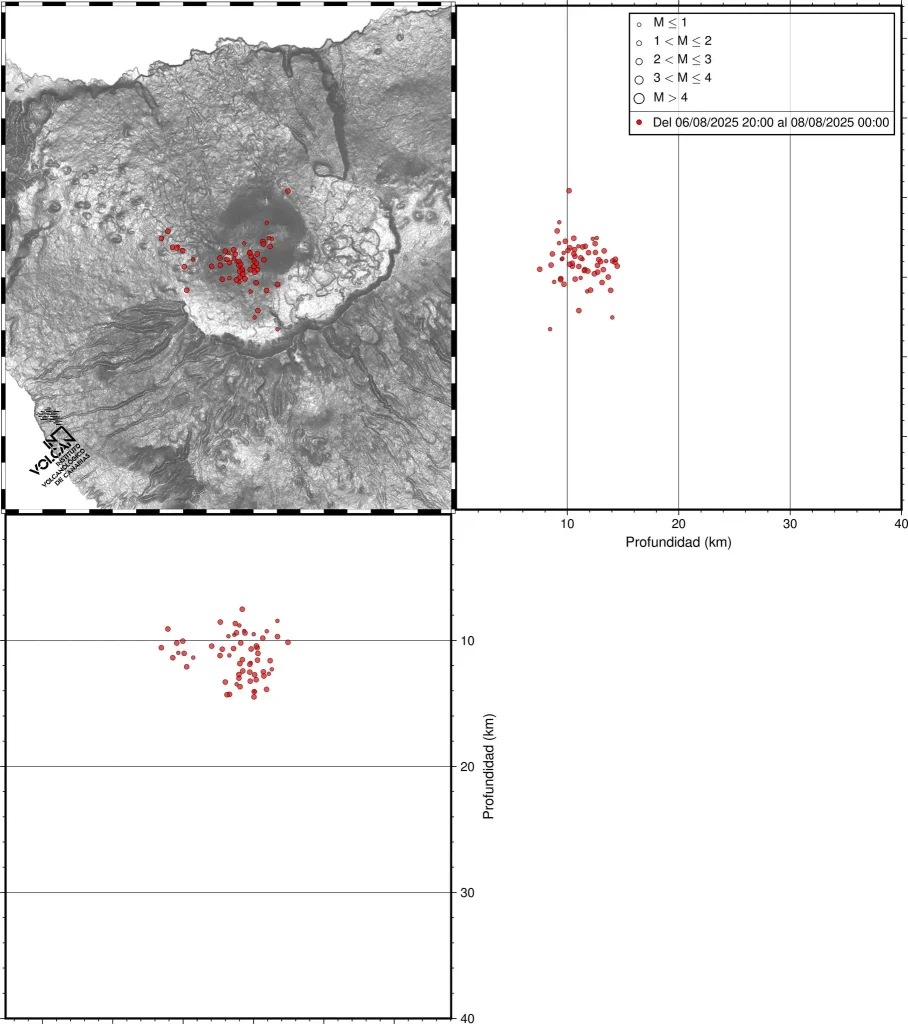
Two distinct clusters erupted: First, 55 volcano-tectonic quakes between 21:30 LT and 00:10 LT, concentrated at 8–14 km beneath the southwestern flank. Scientists call this fracturing of brittle rock—maximum magnitude 1.5. Then, at 02:00 UTC, a second burst: over 700 hybrid-type events by 07:30 UTC, characterized by very low magnitudes (below 1). These tremors, undetectable to locals, whisper of fluids (magmatic gases or hydrothermal waters) squeezing through cracks. Itahiza Domínguez, director of IGN, later confirmed they occurred near Las Cañadas del Teide at 10 km depth—a hotspot for subterranean tension.
Why This Isn’t Another La Palma
Satellite data showed no ground deformation. No sulfur dioxide emissions spike. Nothing like La Palma’s 2021 eruption. I remember monitoring Tajogaite volcano’s preceding sequence: earthquakes that escalated, shifted upward, and signaled magma rise. Here, the pattern differs significantly. Domínguez clearly states this swarm stems from fluid injection into hydrothermal zones—a prolonged process since 2016. Not a magmatic intrusion. Not an imminent eruption.
INVOLCAN and IGN agreed: Zero evidence suggests impending disaster. Yet vigilance is non-negotiable. In my fieldwork near Pico Viejo, I’ve seen how microseismicity involves slow pressures building over years. This marks the sixth such episode since October 2016—others in June 2019, mid-2022, and November 2024. Each hinting at a cyclical rhythm but followed by calm.
The Unseen Pulse of Volcanic Life
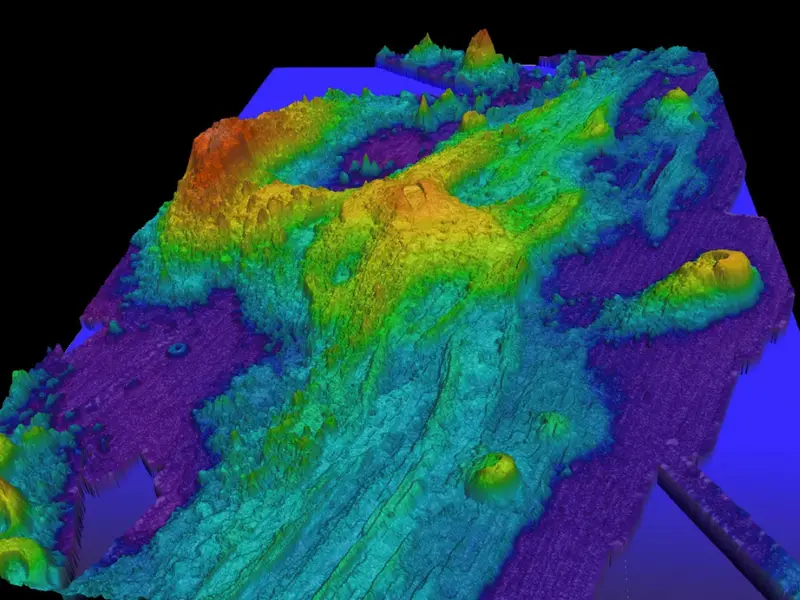
Hybrid quakes blend rock breakage with fluid movement waveforms. Think of them as the volcano’s pulse—not its finale. Using seismic tomography, we’ve mapped structures under Tenerife’s caldera: small magma pockets and pressurization zones below 5 km that feed swarms. This phenomenon, observed via automatic systems, generated concern among inhabitants. But specialists emphasize: Seismic anomalies like these are common in volcanically active regions.
Authorities maintain close surveillance under PEVOLCA protocols. Data flows in sync between Involcan and IGN, with reports publicly shared via GUAYOTA. Residents are encouraged to follow updates—transparency is key. Experts rule out panic, but firm readiness continues. After all, Tenerife’s long-term risk assessment remains unchanged: 30–40% probability of eruption within 50 years.
Earth’s Restless Whisper
That night, as hundreds of tiny tremors raced beneath our feet, I imagined the hidden power signaling from kilometers deep. Nature doesn’t always roar. Often, it whispers—a menacing tune disguised as silence. Monitoring thrives on patience, not alarm. Today’s deep rumblings are significant but not catastrophic; part of Earth’s restless spirit. Watching this unfold in real time? That’s the privilege of our science.
Over five hours, 700 small quakes shook Mount Teide’s depths—unnoticed by blissfully unaware locals. Yet each microquake carries a story. As volcanologists, we see Tenerife inching closer to a potential wake-up call. But for now? Smart vigilance, not sensationalized doom, holds the line.