A Closer Look at Kīlauea’s Latest Fury
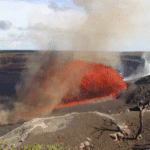
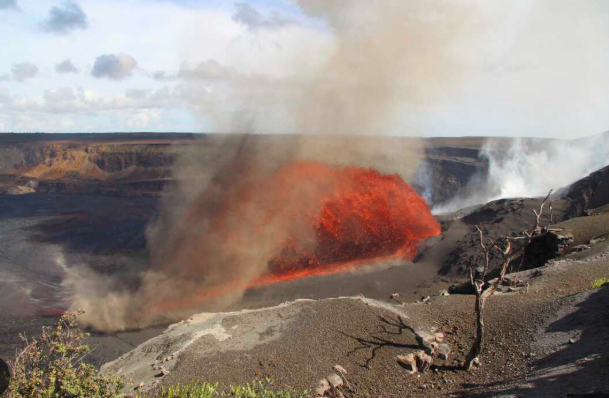
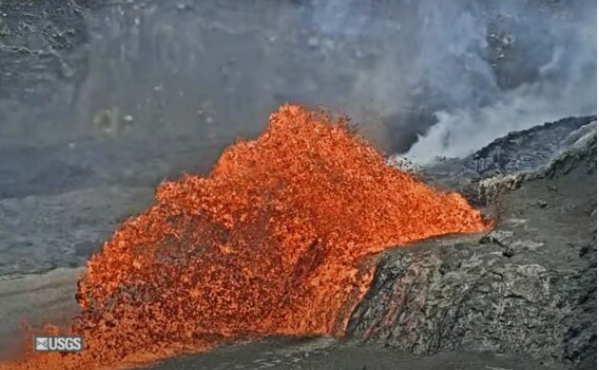
I’ve spent years in Hilo observing Hawaiian volcanic activity from up-close. This Friday, the Kilauea volcano in HONOLULU, Hawaii unleashed its 31st eruption since December, and I felt a familiar thrill in my chest. From the summit crater floor, lava flew in an arc nearly 100 feet (30 meters) into the air, reminding me why this world’s most active volcano continues to command our awe.
Eruption at the North Vent and Public Viewing
The north vent began erupting in the morning, then overflowed a few hours later. By afternoon, fountains of molten rock cascaded—an eruption contained within the crater that threatened no homes. I’ve seen residents and visitors alike lean forward in wonder at Hawaii Volcanoes National Park, or tune in via livestreams, thanks to three camera angles by the U.S. Geological Survey.
Eruption at the North Vent and Public Viewing
I remember when volcanic spectacles felt distant. Now, I see Park Service volunteer Janice Wei chasing photos and videos of Halemaumau Crater, guided by Native Hawaiian tradition naming it the home of the goddess Pele. When the fountain roars—like a jet engine or crashing ocean waves—you feel heat from over a mile away. I once described an eruption as “extraordinary, like nature’s best show,” and that feeling still holds true.
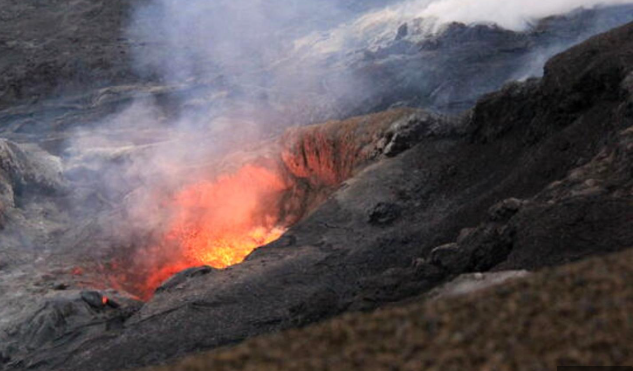
Credit :https://abcnews.go.com/
Hawaii Island’s Magma Chambers Beneath Kīlauea
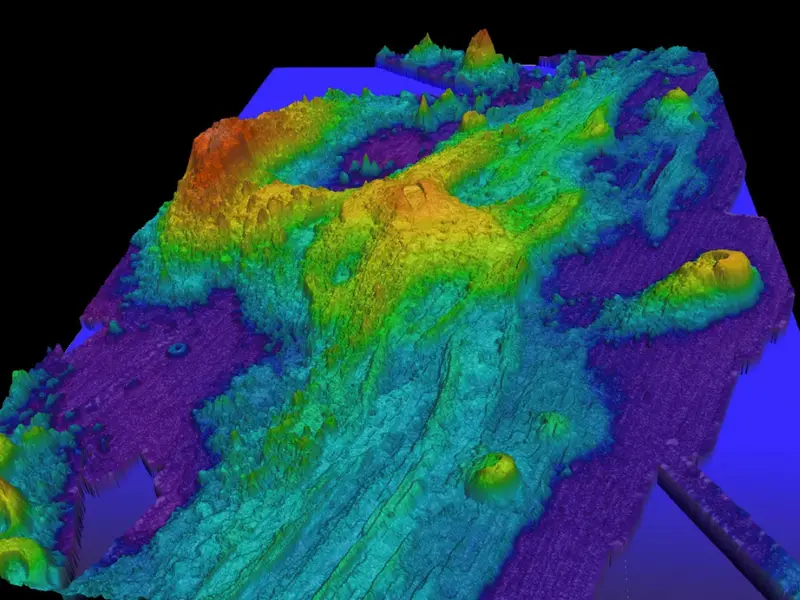
This is on Hawaii Island, the largest in the Hawaiian archipelago, about 200 miles (320 kilometers) south of the state’s city, Honolulu, on Oahu. Beneath the surface, a magma chamber takes in melt from the interior at roughly 5 cubic yards (3.8 cubic meters) per second, says Ken Hon, scientist-in-charge at the Hawaiian Volcano Observatory. It inflates like a balloon, pushing up into an upper chamber, then squirts through cracks in the surface.
Eruption Pathways and Champagne-Like Explosions
Since December, the same path has fueled each episode, with lava sometimes soaring more than 1,000 feet (300 meters) as trapped gases escape via narrow vents. A layer of heavier, degassed magma caps the supply until enough pressure builds—then boom—like a Champagne bottle when the cork is popped.
Credit:https://apnews.com
A Rare Eruption Pattern in Kīlauea’s History
This marks only the fourth time in 200 years that Kīlauea has blasted such fountains in repeated cycles—the last big run was in 1983, with 44 sessions of fountaining over three years from a remote area. Prior instances happened in 1959 and 1969. As someone who tracks these trends, I feel rooted in this living history.
Uncertain Future and Scientific Monitoring of Kīlauea
No one knows exactly how this eruption will end. In 1983, pressure led to a new vent lower down, shifting from dramatic spurts to a steady leak—a pattern that lasted three decades until 2018. This time, the eruption might stop at the summit—or die out if the magma supply fades. Sensors tracking earthquakes and ground angle shifts help scientists forecast a day or even a week ahead. It’s like being “a bunch of ants crawling on an elephant,” as Hon puts it—small clues, huge beast.
Shorter Fountains but Spectacular Eruptions Ahead
Recently, lava fountains have been shorter. Steve Lundblad, a University of Hawaii, Hilo, geology professor, told me wider vents ease pressure. “Spectacular eruptions are still coming,” he said. “Only wider, not as high.