The Ocean’s Restless Giant: A Live Laboratory
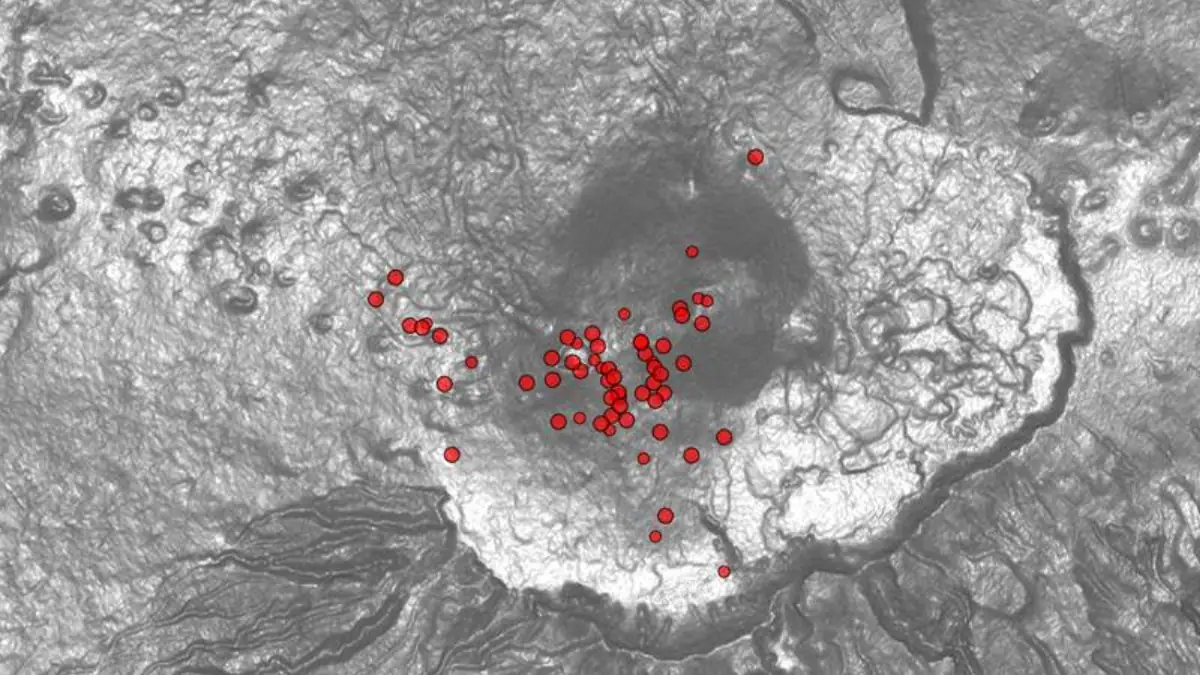
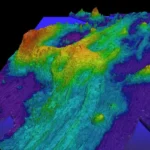
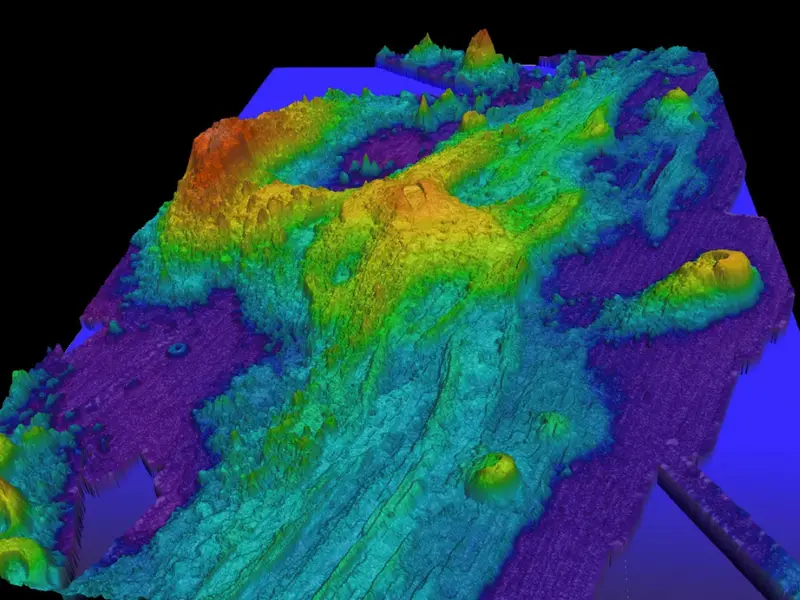
Imagine a place nearly a mile deep, where the seafloor is constantly shaking. This isn’t a sci-fi scene; it’s real life at Axial Seamount. Located about 300 miles off the coast of Astoria, Oregon, this underwater volcano is putting on a dramatic act. Right now, it’s recording over 1,000 tiny quakes every day—a hidden drumbeat that is louder and faster than we’ve seen in recent memory. Having studied these patterns for years, I can tell you this activity is one of the clearest calm-before-the-storm signals we’ve ever recorded.
Decoding the Deep: A Wired Volcano
What makes this story so incredible is that we can witness it in real time. Axial isn’t just some remote, distant curiosity. It’s the most comprehensively wired volcano on Earth. A network of hundreds of sensors—seismometers, pressure recorders, tiltmeters, and hydrophones—is connected via undersea cables stretching hundreds of miles offshore. This advanced system, part of the OOI Regional Cabled Array, feeds streams of data directly to shore labs. It’s like having a volcano “black box” providing a continuous record from the deep, giving us a front-row seat to underwater volcanism and making it an accessible, scientifically monitored live scientific lab.
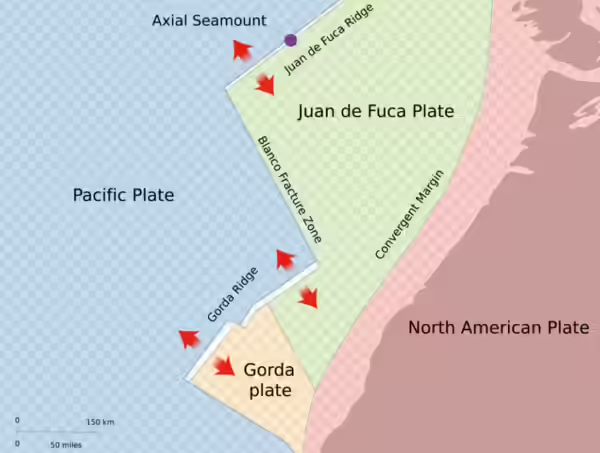
Credit:timesofindia.indiatimes.com/
The Heartbeat of a Volcano
So, what are all these monitors detecting? Two key things: shaking and swelling. The earthquake swarms are undetectable by humans, but together they signal that magma is on the move deeper below. Scientists are also watching the caldera floor bulging upward by meters as the magma chamber recharges, pushing the crust like a balloon inflating. This couple rise—where inflation increases and tremors spike—is a well-documented pattern. We saw it before the 1998, 2011, and April 2015 eruptions. That predictability is rare, making Axial a volcanic crystal ball. The rhythm is like a heartbeat getting stronger, and it gives us a predictive edge in timing the next underwater bang.
On the Brink: What Happens Next?
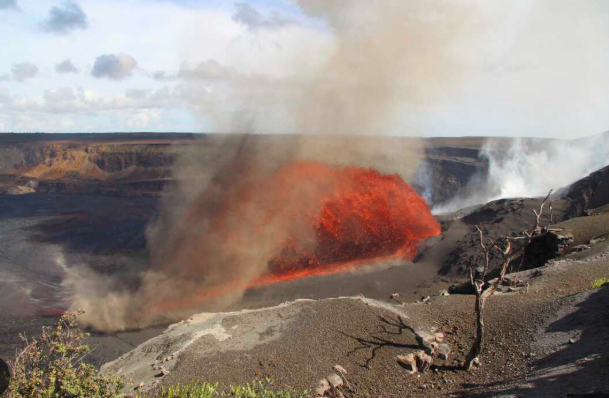
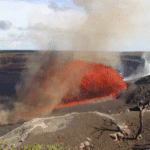
The consensus among experts and volcanologists like Bill Chadwick is that the system is reaching a critical mass. The exceptional quake rate and maximized magma inflation have the volcano primed for an eruption, highly likely by the year’s close. But if it erupts, it won’t cataclysmically blow sky-high. Given its shield shape and basaltic magma style, it will probably ooze fluid lava in Hawaiian-like flows. Above sea, it would be invisible to ocean-surface eyes, perhaps with just a few bubbles or heat anomalies. But below, underwater cameras could capture the unseen drama: lava flows, hydrothermal plumes, and massive microbial activity that will light up the seafloor and alter ecosystems.
Why This Small Event is a Big Deal
The good news? There’s no tsunami threat or risk of human loss; it’s too far offshore and the eruptions are too gentle. But for science, this is a once-in-a-lifetime opportunity. The data we gather will be a goldmine, sharpening our eruption forecasting and refining machine-learning models. Understanding these cycles helps us protect communities from land-based threats elsewhere. Axial Seamount is a global laboratory; what we learn here applies to dangerous volcanoes where populations are at risk. We’re watching Earth’s inner workings unfolding in real time, and that’s an enormous deal for safety worldwide.