The Immediate Surge: Tracking Taal’s Restlessness
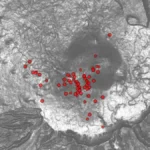
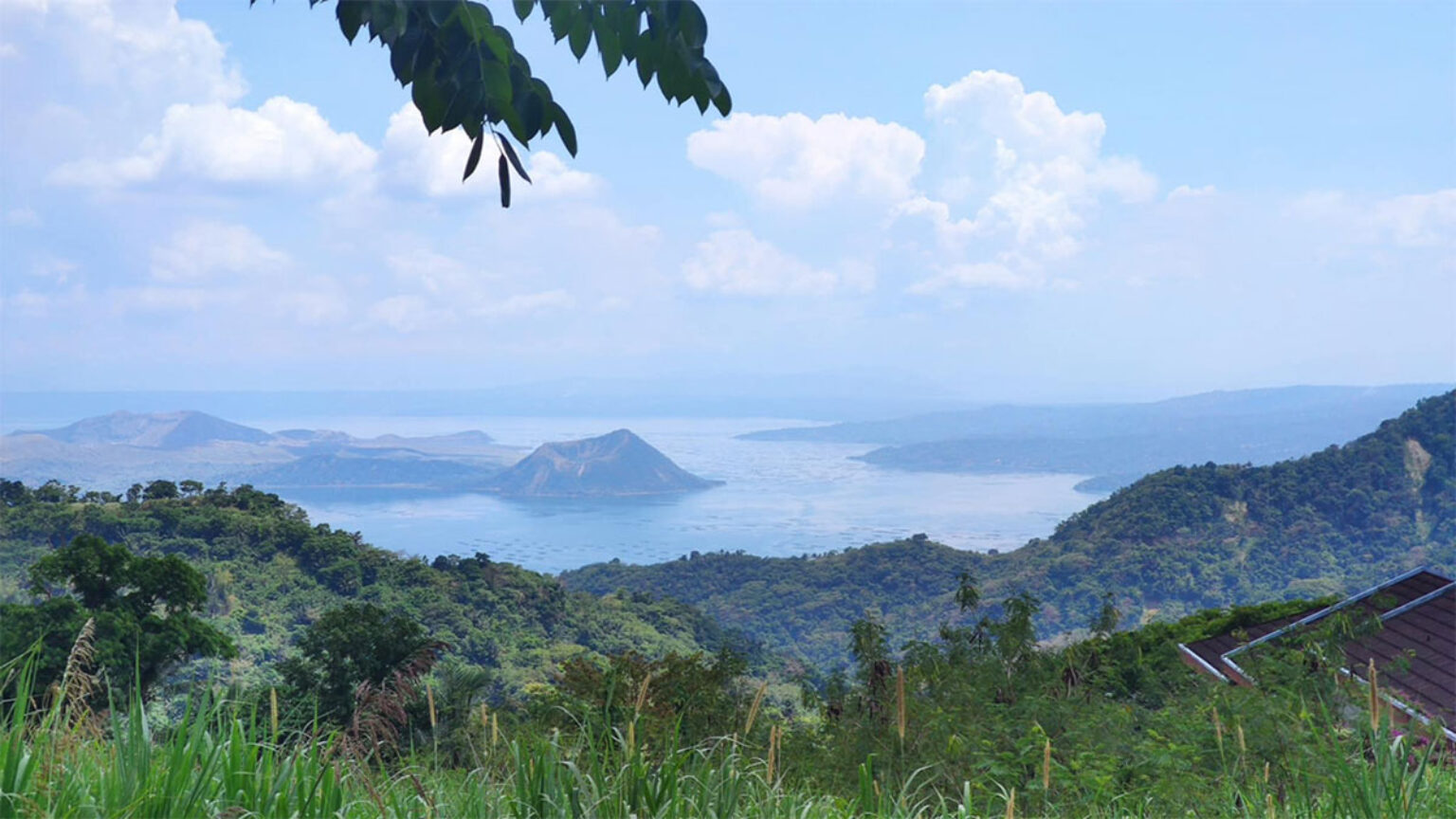
Standing near the shores of Batangas last Wednesday, I felt the ground hum – a sensation veteran volcanologists recognize instantly. The Philippine Institute of Volcanology and Seismology (Phivolcs) confirmed my unease in their morning bulletin: 31 volcanic earthquakes recorded in the past 24 hours, accompanied by 30 volcanic tremors. One tremor lasted precisely one minute – long enough to make my coffee ripple in its cup. This alarming increase in seismic activity at Taal Volcano isn’t isolated. Just days earlier on August 10, their advisory noted continuous tremors via the Taal Volcano Network (TVN) stations, with real-time seismic energy measurement (RSAM) spiking. From Aug 9 to 12, they’d logged a total of 19 quakes and 21 tremors.
Geological Whispers: What the Earth Reveals
Having monitored Taal since its 2020 eruption, I recognize these seismic events as critical storytellers. The earthquakes and tremors vary in intensity and duration – some lasted two to five minutes, others shorter but equally significant. This symphony of movement is indicative of magma shifting beneath the Earth’s surface, creating pressure build-up that could lead to potential eruptions. Scientists are closely monitoring these activities to assess the eruption risk. In addition, increased gas emissions and minor ground deformation in the surrounding area – phenomena I’ve measured firsthand – further signal unrest. These factors, associated with volcanic activity, prompted authorities to maintain the current alert level (still Alert Level 1, meaning low level unrest) while intensifying surveillance efforts.
Taal’s Turbulent Legacy and Community Vigilance
One of the Philippines‘ most active volcanoes, Taal’s history includes frequent eruptions. Its most recent major eruption in January 2020 caused widespread ashfall and forced thousands of residents to evacuate – a stark reminder of the potential dangers posed. Now, renewed activity stirs anxiety in local communities. Residents reported feeling the tremors, blending caution with normalcy in their daily routines. Despite the heightened alert, many persist, balancing life while eyeing evacuation plans. Local authorities have conducted preparedness drills, disseminated information on safety measures, and advised schools and businesses to review emergency protocols. Community leaders work tirelessly to ensure accurate information is provided, keeping everyone prepared for any developments.
Eyes on the Earth: Science and Strategy
Phivolcs employs a range of cutting-edge scientific instruments to monitor every twitch: seismographs detect quakes, gas analyzers measure emissions, and sensors track changes in the ground. This data is continuously analyzed to predict hazards and understand the volcano’s behavior. Through ground-based monitoring and collaboration with international organizations, they enhance their capabilities. Satellite imagery and remote sensing technologies provide valuable insights, allowing real-time updates and early warning systems. This collaborative approach strengthens their overall monitoring efforts and improves prediction accuracy. The Philippine government plays a vital role too. Agencies like the National Disaster Risk Reduction and Management Council (NDRRMC) work in tandem with local government units (LGUs) to implement evacuation plans, distribute relief supplies, and provide assistance.
Global Lessons and Constant Vigilance
Taal’s rumblings echo beyond Batangas. As part of the Pacific Ring of Fire – a region known for seismic fury – countries like Japan, Indonesia, and the United States have experienced similar events. International collaboration and information sharing are crucial for managing volcanic hazards. Global organizations like the United Nations Office for Disaster Risk Reduction (UNDRR) promote resilience worldwide. Learning from each other’s experiences helps nations improve response strategies. For now, public awareness remains a critical component of disaster preparedness. LGUs conduct community outreach programs to educate about volcanic hazards and safety protocols, utilizing platforms like social media, radio, and community meetings to reach a wide audience. Preparedness drills, an essential part of public education, let communities participate in simulated evacuation exercises to practice procedures. This knowledge empowers individuals to protect themselves and their families.